2014: Opening New Fronts

wraondsnyIn the middle of 2013 I somewhat unexpectedly re-launched Brooklyn Wargaming with a new design and a renewed posting vigor. Since then, I’ve had more than 10,000 visits from readers all over the world. Together with these folks I’m sure to never know, we share a continued passion for gaming I am committed to infusing in every one of my postsings here.

My World War II Flames of War posts are clearly the favorites for visitors to the site. My FOW After Action Reports continue to garner a lot of daily views, and people in particular seem to love the Barkmann’s Corner scenario I played in July at Metropolitan Wargamers in Brooklyn, NY. More AARs and building-out my various national forces in my FOW Modelling posts will be a big part of 2014.

As for other stuff on the site, my few posts on Warfare In The Age of Reason are quickly shooting to the top of popularity. I really enjoy writing up my plays a variety of board and card games through my New Game Weekend posts, and taking a look backward at Retro Gaming The 70s & 80s often result in emails from people like me who have fond memories of hours spent at play in the past.

Looking to 2014, here’s where my focus will continue and grow on Brooklyn Wargaming and the tabletop each week.

World War II

For years, I’ve played a lot of FOW with a big focus on Western Europe. To start the year, I’ll be playing a beach landing or two as a way to prep for the 70th anniversary of D-Day this summer, and I’ve also got a handful of other historic scenarios I’ve been working-up over the past few months.
a3ee242c52

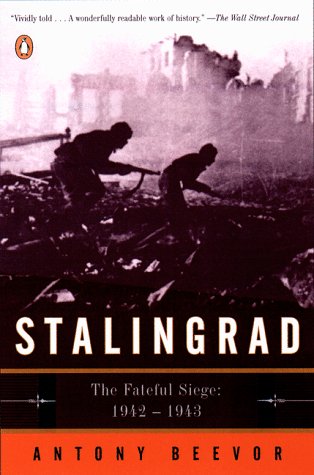
Over Thanksgiving, my brother (another lifelong gamer like myself) handed me a copy of Antony Breevor’s Stalingrad and told me it was the best military history book he’d ever read. The highly-readable account of the vicious siege of Stalingrad has gotten my hooked on the idea of expanding my WWII gaming into the Eastern Front in the new year.

Desperate-Measures

As a first step toward this front of the war, I picked up the new FOW Desperate Measures book. While this intelligence briefing is centered on the closing months of the war battled among German and Soviet forces, there’s also a newly-released updated edition of the FOW Red Bear book which gives a broader look at the Allied forces on the Eastern Front. These resources coupled with my historical reading on Stalingrad have whet my appetite for fielding some large masses of Russian forces on the table. A couple other guys at the club in Brooklyn have already started putting together some of Stalin’s finest and I’m very much looking forward to the Eastern Front opening up my WWII gaming with some scenarios this year.
716532

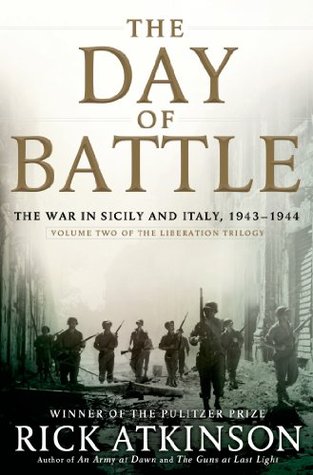
I spent a chunk of the past year reading Rick Atkinson’s Guns At Last Light, the third book in his World War II Liberation Trilogy. The book’s focus on the D-Day landings through the campaigns in Western Europe to the fall of the Third Reich squares with the majority of my FOW gaming from the past year. Working my way back through Atkinson’s books, I’m just starting in on The Day Of Battle for Christmas. As with my new swing in interest toward the Soviets and Eastern Front, I’m looking to Atkinson’s second WWII book to fill in my knowledge on the southern European campaigns in Sicily and Italy. Whether I get some Italian troops on the table by year’s end remains to be seen, but I’m really looking to 2014 as another big year of WWII gaming and learning.

Seven Years War

I grew up in Western New York State and then lived for a period of time in Western Pennsylvania, so the French and Indian War has always lingered as an interest but has never found its way into my gaming.
lastmohicanpen

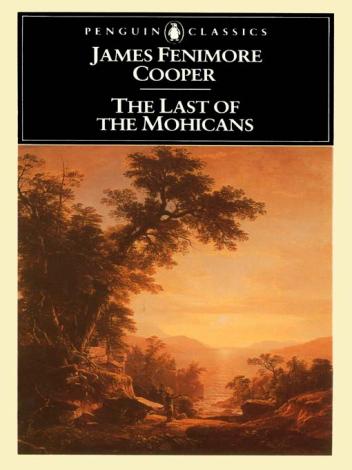
James Fenimore Cooper’s The Last of the Mohicans and other books in his Leatherstocking Tales series have also been favorites since boyhood. These colorful stories are set within the wilderness backdrop of the colonial wars of the Americas fuel much of my love for the French and Indian War period, and my visits to historic sites like Fort Niagara and Fort Necessity have added physical understanding to the frontier conflicts of the period.

ageofreasonrules

Toward the end of 2013, a fellow club member introduced me to the Warfare In the Age Of Reason rules and the Seven Years War. While my experience gaming battles from the period have thus far had a European focus, my long-time interest in what most consider the world’s first global-scale war holds tremendous interest for me. To this end, I hope to make wargaming the Americas front with the FIW a project for the coming year. Modelling 15mm miniatures of colonists, French, British and Native Americans, along with requisite early American frontier terrain, is sure to be making an appearance here in the coming months.

World War I

While I’m on the subject of world wars, I can’t help but acknowledge the calendar and the 100th anniversary of the beginnings of World War I this coming July.keegan_first_l

My only real exposure to the war so far has been with John Keegan’s excellent The First World War. I’ve read a half-dozen of Keegan’s books, and his 1999 overview of the Great War gave me a solid introduction to a war that’s often overlooked by most Americans like myself. Clearly this is a major period in modern warfare I could stand to learn more about.

9780385351225_p0_v1_s260x420

To get myself back into the period, I’m planning on reading Max Hasting’s Catastrophe 1914: Europe Goes To War which made many top nonfiction lists at the end of 2013. I’ve only gamed WWI once with a 28mm French-German trench warfare scenario at a convention back in 2011, but there are a number of club members with miniatures from the period I may prod into using in some games this year. There are also rumors afoot that the makers of FOW are expanding into WWI just in time for this year’s anniversary, but for now I think some time with a few good books should be enough tribute from me in 2014.

And…

I can’t really tell with complete certainty where this coming year in gaming will take me. Like with most battle plans, a grand strategy can be laid out but actual events often unfold very differently in the fog of war. I can say there will be more miniatures, more scenarios and more completely fresh games to come here on Brooklyn Wargaming by New Year’s Day 2015. For now, here’s to old fronts not forgotten from 2013 and new fronts to come in 2014.

Downloading: Blogging War In Pictures

11290985505_26680f4f03_c

I’ve made my living for the past 17 years in the pictures business. In 1996, I arrived in New York City and landed a job with a photo-licensing company doing historic photo research. My days were spent fulfilling client requests for photos, illustrations and artwork to be used in advertising, corporate marketing, book publishing, magazines and newspapers,  documentaries, motion pictures and TV programming. Since then, I’ve gone on to work with several of the largest stock photo and film licensing companies in the world.

In my time, I’ve participated in the rapid changes in the business as it evolved from a world of photo prints kept in dusty file cabinets to the digital marketplace of images today. The proliferation of online search and digital photography databases has granted professionals and non-professionals alike enormous access to visuals illustrating  the arc of world history from the dawn of time to the latest celebrity gossip.

With this has come the significant challenges of copyright management. Companies like those that have employed me license images for a fee ranging from a couple bucks to tens-of-thousands of dollars each, depending on the use and value of the image (often based on murky concepts of scarcity and quality). With these licensing fees, photographers, archives recieve payment and people like me are able to pay the rent and feed my kids.

With images easily available online there is a lot of misinformation on in what instances a photo which may be used without paying someone a fee. Bloggers and other online outlets (and even traditional print-based users) regularly use photos under misunderstood concepts like “fair use.” In short, unless someone is granting you permission to use their works you could very well be in some sort of copyright violation and subject to significant legal and financial penalties. This is a conversation we in the licensing business have countless times a day with new and old customers alike.

For a blogger like me, I try to take as many photos myself and stick to others that are either out of copyright or used in the context of reviewing a game, book or film. Looking for great historical reference images for use online or off still remains a challenge at times, but it keeps getting easier all the time.

This past week, the British Library announced the release of nearly one million images for free use via Flickr Commons. The BL becomes the latest insitutional archive to make available enormous selections of images. For bloggers, gamers and armchair historians, these resources are incredible and hours can be spent paging through them. Other existing collections of interest for wargamers include:

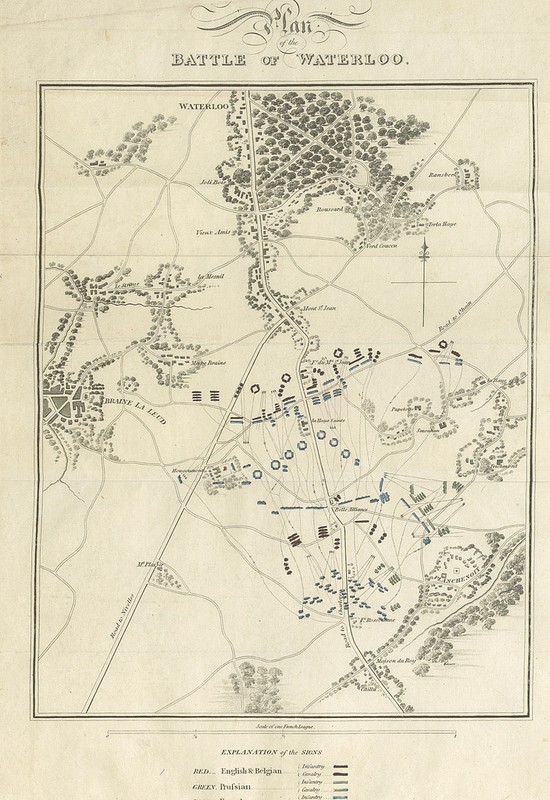
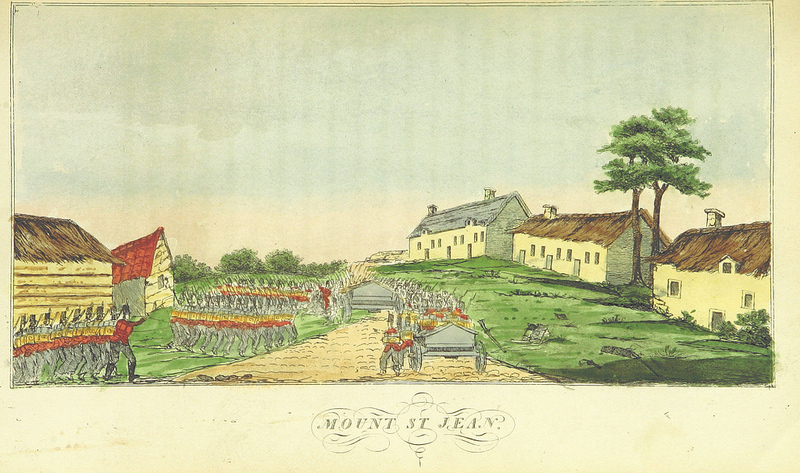
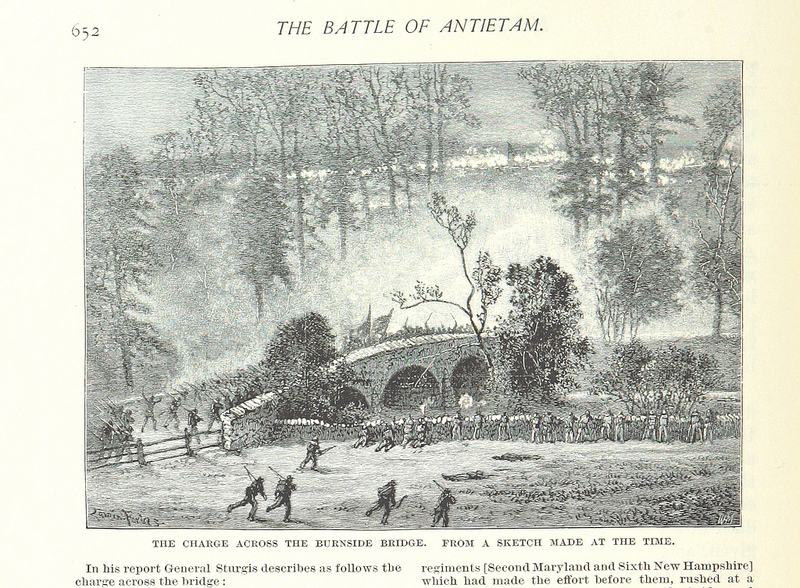
For now, below is just a taste of what’s new to be found in the British Library’s new online Flickr collection. The emphasis is on 18th-19th century history with tons of maps, engravings, diagrams and photographs. The Napoleonic Wars is documented in a ton of gorgeous color plates of uniformed soldiers, making them a perfect reference for your miniatures painting projects. The American Civil War is represented in scores of maps, portraits of various military and political leaders and lots of reference drawings of equipment and fortifications. The centuries of Britain’s colonialism is captured with a lot of material on Egypt, South Africa and the Middle East. Finally, there is a fair amount of naval and land imagery from the Spanish-American War.

Have a look for yourself and I’m sure you’ll find some obscure visual historic treasure of your own.

Napoleonic Wars

11197448323_f29a6f55fa_c

11003362935_ac6bd93346_c

11003528116_3ec187b941_c

American Civil War

11189959606_caa7577d01_c

11195430764_c3203d4309_c

11203099085_144b616820_c

11187451524_41b1288915_c

African Colonial Wars

11213541216_3036b5474e_c

11034541986_c31dcfcff5_c

11235101336_f9af33fc5b_c

Spanish-American War

11244813946_7135b5594b_c

santiago

11244838355_a6551da621_c

Tis The Season For Toy Soldiers

tsc

Thanksgiving is upon us which means the annual run to holiday gift shopping is nigh. By some estimates, upwards to 40% of toy sales occur around the holidays which fits squarely with my memories of the plastic bounty of Christmas past. The arrival of store Christmas displays and holiday catalogs sent my childhood mind reeling. Before the arrival of electronic games in the late 1970s and early 80s, my dreams of toys stacked under the Christmas tree were filled with action figures, playsets, games and toy soldiers.

So, with visions of Christmas toys past dancing through my head, I find myself paging through the glorious selection from the recently-relaunched website from I The Toy Soldier Company. For almost 30 years this New Jersey-based company has been keeping plastic and metal toy soldier fandom alive with an enormous catalog of toys in all scales and hand-crafted playsets which harken back to the glory days of the 50s, 60s and 70s.

With so much play now relegated to screens and virtual fun, there is still nothing like seeing a kid moving dozens (or hundreds) of little plastic figures around the floor. These toys not only make for hours of fun across generations, but they can also open young minds to burgeoning interests in history and maybe some eventual wargaming. Going a step further and combining some toy soldiers with books, movies, documentaries and family outings that highlight the period is another great way to make up a fun and educational gift package for the holidays.

Ancient Egypt, Greece and Rome

Kids are fascinated by the ancient eras of Egypt, Greece and Rome, and a lot of elementary school curriculums focus on these periods, their culture, arts and the gods they worshipped. Books and films full of pyramids, temples, gladiators and chariots dazzle young minds.  Mid-century film classics Ben Hur, Spartacus and even The Ten Commandments are thrilling, family-appropriate entertainment to this day. From one-on-one arena battles between tiny gladiators to epic plastic battles on the sands and plains of the Mediterranean region will enliven the imagination for these ancient cultures.

Ancient Era playsets and toy soldiers

 American Revolution

Living here in the Northeast United States, I’m surrounded by history of the American War of Independence, inlcuding the Battle of Brooklyn fought right over ground I cover on the way to work every day. With forts, museums, battlefields and museums dedicated to the period dotting the countryside, the formative conflict of the nation is all around us. The classic 1943 children’s novel Johnny Tremain and Disney’s 1957 movie adaptation have been the hook for kids for years. There’s so much color and mythic personality to this period in early American history, and some plastic soldiers armed with muskets and cannons will easily spark interest in any wee patriot.

American Revolution playsets and toy soldiers

American Civil War

We’re right in the middle of the 150th anniversary of the American Civil War, so the time is ripe to get burgeoning historians interested in the period. With the release of Lincoln last year and many past offerings available like 1989’s Glory and Ken Burns’ epic 1990 The Civil War, the War Between The States maintains its cinematic hold on the American narrative. The seminal book on the war in many ways remains Red Badge of Courage which is still a rite of passage for many a young reader . Spending the holidays learning about the Civil War might kick off some family visits to battlefields and historic sites when winter breaks to spring, but getting some blue and gray toy soldiers out on the floor now can make for a very timely history lesson through play.

American Civil War playsets and toy soldiers

World War I

Europe is in the midst of the 100th anniversary of World War I, and next year America’s involvement in “the war to end all wars” will be quietly memorialized. The US came to the war late and it’s effects on our country were nowhere near those on the European continent, so learning about this conflict is a great way to broaden young minds to 20th-centtury history beyond our usual American-focused history education. My oldest son read All Quiet On The Western Front this past year, and the adaptation of that classic novel as well as films like Paths of Glory and Gallipoli are engaging ways to get a view inside the troubling politics and tactics of the war. Lining up multinational plastic armies bridging the gap of 19th to 20th-century warfare makes for a great intro to the period.

World War I playsets and toy soldiers

World War II

Perhaps more than just about any other war, World War II remains an enormous part of historical and popular culture through countless books, movies, TV shows and documentaries, both factual and fiction. From The Longest Day and A Bridge Too Far to modern classics like Saving Private Ryan, Band of Brothers and Flags of Our Fathers, Hollywood continues to crank out epic stories from the war. Aside from books and movies, their are some amazing WWII games from the likes of Axis & Allies to Flames of War. To me, WWII is the period to watch, game and play in, no matter your age.

World War II playsets and toy soldiers

The above are just a few of my favorite periods in which I think kids could easily establish a lifelong interest. Through a combination of books, films, field trips, games and plastic soldiers from the likes of the Toy Soldier Company, you can make this holiday season a bit fun, a bit unique and maybe your kids or grandchildren will even learn a little something in one of the most time-tested ways: play.

Playing War

179892_1760799734172_551897_n

Like so many kids, I grew up playing an abstract outdoor game called War. Spend any amount of time with a group of young boys and play aggression often naturally emerges, lines are drawn and any object within arm’s reach becomes a surrogate weapon. War takes this to the next level. Through the application of ever-shifting rules , a broad framework is created within which you split into teams and then spend hours hunting down your friends. Sometimes finding a secret base in a capture-the-flag scenario is the objective. In larger group games, a tag-like game of collecting kills can determine who wins.

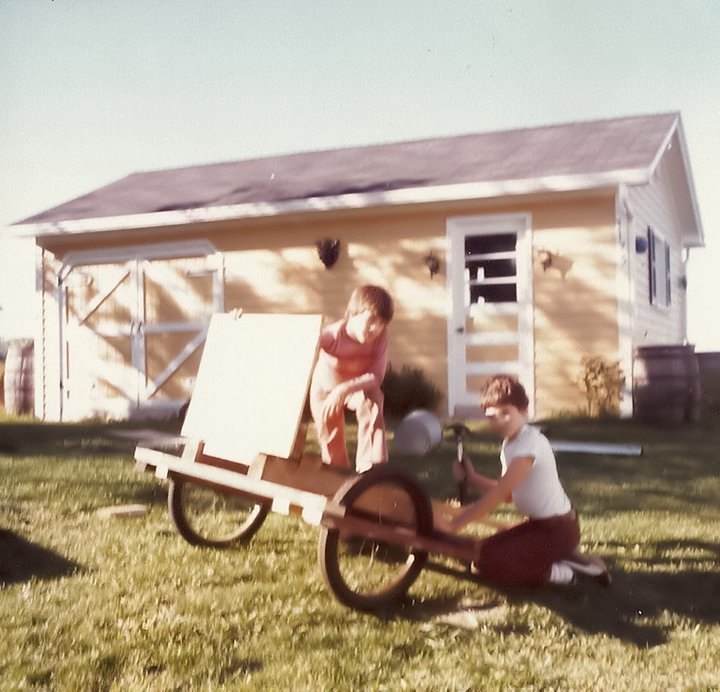
For my childhood friends and me, anything from sticks to hand-made weapon replicas to store-bought plastic toy arms made up the main equipment for the game, and our imaginations filled in the rest. One summer in the late 1970s, my brother and I (that’s me in the blurry snapshot above on the right) built an estimation of a howitzer from some scrap wood, bicycle tires and the side exhaust pipe from a sports car. A friend of mine had a fort built in the woods adjacent to his house, complete with a lockable below-ground prison and a series of three-foot-deep foxholes dug at the defense perimeter. Other pals checked books out of the library to study old photographs of guns they would carve out of left-over 2′ x 4’s.

I logged many hours playing War among the fields, woods and buildings in and around my rural hometown in Western New York. One weekend I spent the majority of a Saturday hunting down one of my friends on a nearby SUNY campus in a one-on-one scenario where the first one to spot the other won the war. I found a set of shrubs to hide in where I sat for an hour until I saw my friend creeping through an open plaza. On another day, I was captured and locked in my other friend’s dungeon with another comrade. While more than ten other guys ran around shouting in the nearby fields, we two prisoners spent more than two hours digging a tight hole under the plywood wall to escape. Other times there were weekend sleepovers and night games chasing each other through the woods and over creeks in the darkness lit by flashlights.

idw-poster-final-web__large

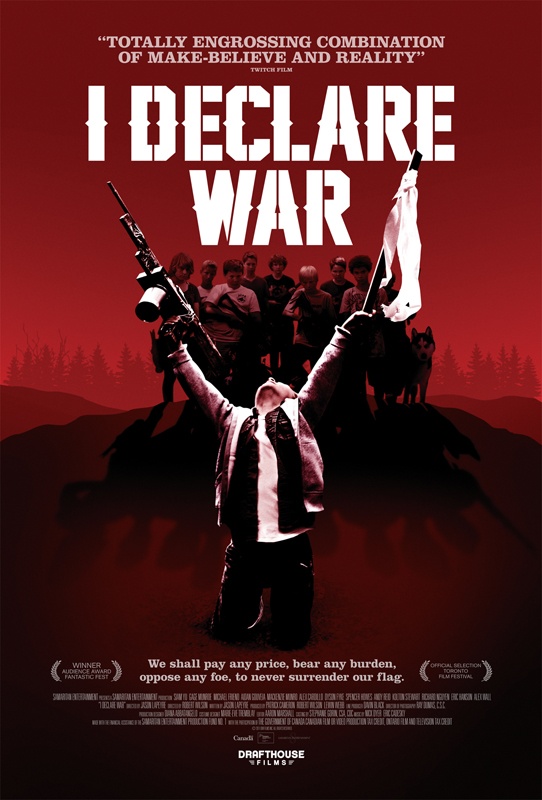
The new movie “I Declare War” from Drafthouse Films should resonate like a carpet bombing for anyone like me who can look back wistfully to hot summer days of trying to kill their best friends in a game of War. This isn’t a great piece of filmmaking, but its the sort of thing that’s sure to light up parental discussions and also conjure youthful memories of when play involved something without digital graphics.

Now in limited release and available through some streaming services, “I Declare War” focuses on a day-long game of War between two groups of adolescent boys (plus one girl). The serious intensity of the day’s game depicted in the movie captures the complexity of the time in life of being a care-free kid teetering on the edge of the ages to come.

Most of the kids in the film approach the game with the expected intensity of children whose imaginations are running full-on, transforming sticks and plastic guns into actual weapons. One boy adds a sci-fi flair with imagined lightning bolts streaming explosive death rays from his eyes. There’s also a clumsy protracted love interest that evolves with the young girl’s arrival in the game, but she too winds up being a skilled player in the game. And finally, there’s one truly sadistic kid who treats the game a bit too seriously, bordering on psychological and physical harm to a few unfortunate victims.

There’s a lot in this movie, and the game of War presents as merely a mechanic for the kids to work out their emerging pre-adult personalities. Within the group there are plotters, double-crossers, bullies, romantics, innocents and leaders. The kids yell, cry, laugh, fantasize, threaten and swear like kids do — a hot stew of thoughts and emotions most mainstream movies (and many parents) would rather avoid.

A couple of the guys I played War with in the 70s and early 80s wound up serving in the real-life military but the majority of us went off to college or started regular jobs after school. For the most part, I’d say we all grew up to be relatively decent human beings. On the balance playing War didn’t warp any of us in a negative way and it quite possibly taught us some early lessons in teamwork, negotiation, problem-solving and communication. For me, it mostly built something along the lines of friendship or strangely, compassion.

“I Declare War” captures the spirit of the kind of play which mostly exists now in an abstract virtual world for my own kids and their peers. Did my friends and I rack-up more life lessons playing War in the woods than my sons do playing war on screens with people who they’ll never meet? That question is going to be answered in a generation or so, but “I Declare War” is worth considering in how playing War shaped us a generation ago.

Games Take A Vacation

I’m currently midway through my family’s annual summer vacation week on Cape Cod, Massachusetts, and as always, games are on my mind. Renting a vacation house often gives an odd insiderish view to other people’s lives. The weird assortment of kitchen gadgets (who needs three waffle makers?), the hodgepodge of furniture, the collection of beachy knickknacks and bookshelves of worn bestsellers all seem to exist in various forms in the homes we’ve rented over the years. I always wonder how much this conglomeration of stuff reveals about the unseen owners who cash our rental checks each year and how much it tells me about my fellow vacationers.

Piles of games also usually inhabit vacation rental homes. Cottage owners probably provide a few games to start. Over the years families may pick up a game at a local gift shop and then leave it at the house for the next renter. For rainy days away from the beach or late nights after the sand has been rinsed off sunburned bodies, games hold a pretty consistent presence in the vacation home experience. I would hazard to guess that families who hardly ever find themselves playing board or card games together at home do so as part of their sacred vacation ritual.

563418_10201358773905705_1762981681_n

Games found in vacation rentals usually fall into a few broad categories. First, there are standard playing cards. Adults and kids alike can find many games for cards, from a calm game of Go Fish with a toddler to a game of Poker on the screened porch for the grown-ups after the children are tucked into bed. The house this summer has no less than ten decks of cards, including two unopened packs and a sailboat-decorated double set like the ones my grandmother and aunts used to use to play Bridge. Cribbage boards are also pretty commonly found along with cards, although I personally know few people who know how to play the game these days. Poking around in drawers and shelves this year revealed five cribbage boards, including two folding portable ones and a folksy handmade version with holes drilled into a slab of age-darkened wood cut into the shape of a whale (pic below). Tucked in a desk drawer I also found a set of five standard six-sided dice still sealed in their dusty package. Like so many items in a vacation home, I wondered at the story behind these dice. Why were they purchased? Why have they been left abandoned for so many years without use?

1240357_10201358910549121_1800974832_n

The second class of vacation games fall into what I call “American Classics.” These are family-friendly board games like Life, Monopoly, Chutes and Ladders, Checkers and Clue. To these I’d also add word games like Boggle and Scrabble, the dice game Yahtzee and Dominoes, all  of which were with us in this year’s house. Nostalgia and tradition resonate with these games, each offering a familiarity to vacationers year after year. These classics also give the flexibility for  games to be played among family members of all ages and the chance to introduce a new generation to an old favorite.

This year we also found a copy of Mastermind at the house, a classic board game outlier I’d never encountered in a rental cottage before. I hadn’t played in probably 30 years but was glad to find my eight-year-old son was an old hand at the game from playing a school. While not very challenging for me at this point, I was more than happy to pass an hour with this classic deductive code-solving game as part of a rainy day of indoor activity.

Finally, there’s the modern adult party games like Trivial Pursuit, Pictionary, Scattergories, Balderdash and Outburst which grew out of the boom in adult board games in the 80s and 90s.  These games are light on rules and big on group participation, making them the perfect thing to fill rowdy late nights for adults well into their gin and tonics or local summer brews. A copy of 1967’s trivia game Facts In Five was in the pile at the house this year, perhaps the result of a local yard sale find in the past.

1235986_10201358675743251_1324531316_n

Along with packing the car with luggage, beach gear and bikes, we usually stow some games for our annual week away. This year, we hauled along several games from home, including Small World, Civilization (pic above), Settlers of Catan and the horse racing game Winner’s Circle. My kids and wife have developed a liking toward well-designed strategy games and can even be found delivering sneers and eye-rolls at the mere mention of a game like Monopoly. A simple deck of cards or a heap of Parker Brothers classics just don’t make the grade when there are grand civilization-building strategies to be played, even while on vacation.

Like many vacation home renters, I often fantasize about owning my own funky little cottage on the Cape. Part of this fantasy is how I’d decorate it with only the most thoughtful and interesting collection of furniture, useful yet surprising books and top-of-the-line kitchenware. Added to this list would be a set of well-curated games, short on too many classics and filled out with the best Eurogames there are to offer. Maybe a couple basic Dungeons & Dragons books and a bag of polyhedral dice sitting on a shelf would inspire some vacation role-playing. I’d be sure to throw in the occasional retro game for irony, but my hope would be be that my renters would be pleasantly surprised by having their minds expanded while on vacation.

But then, I wake up from my real estate dream and realize most people probably don’t want a challenge on vacation. A deck of cards or a familiar board game is what most folks will ever want on those few precious days away from home each year. For me though, gaming never takes a holiday.

Loving The Evil Dead: Why Do We Like Nazi Zombies?

Gaming, at its core, is a matter of pitting at least two sides against each other in a test of tactics and strategy. Whether you’re playing chess or moving hundreds of miniature soldiers around on a tabletop battlefield, you have to pick a side. In most games, there isn’t necessarily a “good” side or a “bad” side. But then you get to Nazis and from there you go to Nazi zombies.

Nazis are the bad guys of the 20th-century, and Nazi zombies take their evil to another level. Maybe its because there’s no way anyone can feel badly about slaughtering a horde of Nazi zombies that makes them so appealing as a foe. There’s also a horrific visual impact of Nazi zombies, as well as some conjecture the Nazis actually had some relation to the supernatural. For whatever reason, Nazi zombies are swarming everywhere and have been creeping up on us for some time.

Nazis And The Occult

Beginning in the 1950s, a spin-off post-WWII historical narrative began to emerge involving the real or supposed fascination that Adolph Hitler and his Third Reich held for the occult. While the Nazi obsession with ceremony and iconography can’t be denied, most of the Nazi-occult conspiracy theories seem to be more about trying to explain how something as evil as Hitler’s Reich could be allowed to rise to power right in front of a watching world. Books, fictional movies and documentaries have delved extensively into this topic of Nazi fascination with weird science and magic. Numerous movies like The Boys From Brazil, Hellboy, Captain America and my favorite, Raiders of the Lost Ark, have all used Nazism and the occult as main plot points. Throwing the dark arts into the mix with the already-hated Nazi bad guys is just one more way pop culture has amped-up the inherent evil of Nazis and their doomed quest for world domination.

Nazi Zombies On Film

shockwaves     zombielake

About a decade after the first scholarship on Nazism and the occult emerged, George Romero launched the first wave of modern zombie films with his classic Night Of The Living Dead in 1968. Through a series of sequels and other Romero-influenced movies, the zombie genre slowly grew worldwide during the rise of horror and slasher films in the 1970s and 80s. The Nazi zombie movie subgenre probably arrived in 1977 with Shockwaves starring British horror screen veteran Peter Cushing in the role of a SS commander breeding Nazi zombies who attack a yacht’s shipwrecked crew. The movie began a minor trend almost exclusive to European filmmakers in the 1980s with the B-movies Zombie Lake and Oasis Of the Zombies.

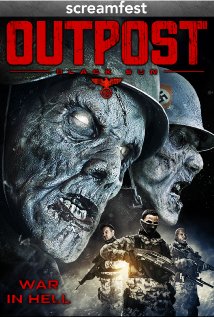
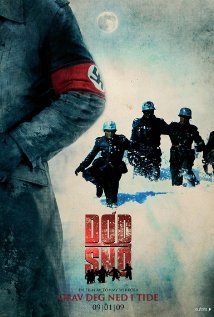
outpost      dead snow

The second life of all things zombie came post-9/11 in a surge of movies, comic books, novels and the critically-acclaimed The Walking Dead TV show. Again, European movies led the way on the Nazi zombie theme with Horrors of War, Outpost and War Of The Dead. My personal favorite in the modern wave of Nazi zombie cinema is 2008’s Dead Snow, a Norwegian film that made the rounds on the art film circuit. The dark uniforms and red, white and black swastika armbands against the mountain snow makes for striking visuals, even more-so as the blood begins to splatter. The film is a tight amalgam of themes from the genre — cursed treasure, local legend and, of course, unsuspecting good-looking vacationers winding up smack in the middle of a battle to the death with Nazi zombies.

Next up on the still-growing list of Nazi zombie movies is this year’s Frankenstein’s Army, which offers a riff on the Nazi zombie theme with a heavy dose of classic horror, science fiction and even steampunk thrown in. Again, the makers of this latest entry in the Nazi zombie genre are European. I don’t think its a coincidence that most Nazi zombie movies have risen out of many of the countries once occupied by the Axis forces. Since many Europeans live most directly with the spaces and stories of WWII all around them, clearly the Nazi zombie storylines of these films are tapping into a vein of horror that still resonates today.

Nazi Zombie Video Games

As a kid, one of my earliest video game memories on my Apple II computer was Castle Wolfenstein. While there were no zombies in the game way back in 1981, the modern iterations of the Wolfensetin video game series have included zombies. Not only did the new Wolfenstein games help popularize the now-ubiquitous first person shooter (FPS) game mechanic, but they fired some of the earliest shots in the escalating video game Nazi zombie wars.  Call Of Duty has risen to become one of the most successful franchises in the FPS genre, and a big part of its success can be tied to its Nazi zombie expansions. I would argue that without Nazi zombies as targets, many more wary parents may have kept FPS games out of their children’s hands. Hurling grenades and unloading clips into crowds of Third Reich undead is something to which even the most cautious parents may very well have turned a blind eye.

Nazi Zombies Tabletop Games

suicide squad

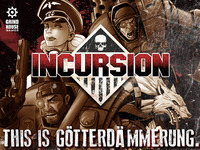
With the 21st-century rise of all things zombie, tabletop games have also become infected with the undead. Zombicide, Zombies!!! and Last Night On Earth are among the host of gamer favorites pitting the living versus the unliving. Naturally, Nazi zombies have found their way to the tabletop, too. Two popular games — Dust Tactics and Incursion — take an alternative history approach to incorporating zombies into Axis powers. Among all the futuristic technology available in the miniatures game Dust Tactics are squads of zombie soldiers which prove to be fast and incredibly deadly in the game. Similarly, the game Incursion include zombies in the living arsenal created by evil Nazi scientists.

zombieminis

Beyond packaged boardgames, wargaming has followed the zombie trend. The “weird World War II” genre of miniature and RPG games offers some monstrously fun modelling and play possibilities with such things as bizarre zombie battlescapes, fantasy technology, magic-using stormtroopers and lycanthropic soldiers in a WWII alternate universe. Weird War II: Blood On The Rhine from 2001 was one of the early RPG systems incorporating zombies and occult alternatives to the WWII time period. Nazi zombie miniatures in both 15mm and 28mm scales are now mainstays in online gaming forums and at regional conventions. Rules systems have been written to accommodate the Nazi zombie craze and players regularly create house rules for other regular WWII-themed games such as Flames of War and Bolt Action.

Nazi zombies have their own history now, rising out of theories of Nazi-occultism and then mined as the nightmare bedtime story for European horror filmmakers for nearly four decades. As the ultimate in evil, Nazi zombies now lurk in every corner of popular culture, much of it overlapping with the gaming hobby onscreen and on the table. Debates will continue to rage between the historical gaming purists and those who love their Nazi zombies. Honestly, playing with Nazi zombies has become just too fun to ignore and the horde just keeps coming.

Favorite Kickstarters of the Month (August 2013)

These days it seems like a month doesn’t go by that some Kickstarter horror story makes the rounds. Projects vanish, people lose money to scams or entrepreneurs running Kickstarters go belly-up with their success. This past week, the owner of a successfully-Kickstarted game called Corporate America wrote about his experience. The piece gives a solid, balanced look at the real economics behind running a Kickstarter game campaign. It’s a good read and worth bearing in mind while taking a look through the game campaigns I’ll be watching this month.

duelA Duel Betwixt Us: This two-player card game pits two 19th-century gentleman in a game of manly combat. By using their workers, each player is able to mine for ingots used to create weaponry and armor for combat. Once ready, a player selects a duel and then brings their arms, armor and stack of dirty tricks to the fight. The very Victorian artwork reveals a hilarious game of codpieces, drunken miners, oddball weaponry and double-crossing at every turn in the quest of woman’s favor.

incursionIncursion: Released by Grindhouse Games in 2009, Incursion is yet another take on an alternative post-WWII world where Nazis and Allied forces persist in protracted combat as a Doomsday Device threatens world destruction for all. This sci-fi-fuelled game is full of fantastic weapons, evil scientists, daring heroes plus zombie Nazis and combat gorillas. This second edition and expansion of the game adds all sorts of plastic miniatures to the game, new missions and rules for three players.

freedomFreedom – The Underground Railroad: I grew up in Western New York, a hotbed of the Abolitionist movement and gateway to Canada for escaping slaves. Academy Games is adding the story of the Underground Railroad to their Birth of America Series of games that has already covered the American War of Independence and the War of 1812. There’s a lot of real history packed into this intense strategy game as players take on the role of allied abolitionists alluding slave trackers while escorting escaped slaves north to Canada along eight routes. Historical events and people shape the game along the way, making this game a really fascinating vehicle for retelling the story of the Underground Railroad.

TemplarTemplar – The Secret Treasures: I’m a fan of a number of the Eurogames produced by Queen Games, and Templar looks to be another fun hit. The game plays on two boards, a “harbor board” of warehouses and the other a detailed floorplan “abbey board.” Moving between the boards, players seek to find and hide treasure relics throughout the abbey by playing different character cards. Characters like the Prior, Abbot or Spy act to either aid or foil the Templar’s plans.

zerohourZero Hour – Survivor Horror Card Game: Aside from the occasional run-in with some zombies, I’m not generally a horror gamer. Zero Hour could change that. Play begins with 30 children stranded in the woods after their bus driver dies. Soon, weird things begin to happen in the woods, pushing each child closer and closer to insanity. Somehow, the children have to survive the night until the zero hour at dawn. The gothic design and theme of the entire game makes this look to be creepily attractive. A bonus part of the campaign is a tall plush Slenderman doll, certain to please the darkest child within you.

Military Terrain Making in World War II

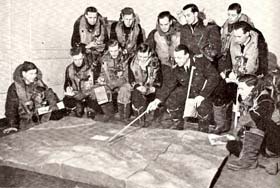
In the opening pages of the recently-released and well-reviewed final book of his World War II “Liberation Trilogy,” The Guns At Last Light: The War In Western Europe, 1944-1945, author Rick Atkinson takes the reader swiftly to St. Paul’s School in west London on the fateful morning of May 15, 1944. In a darkened room, the secret council of the Supreme Headquarters Allied Expeditionary Force (SHAEF) were awaiting a presentation on the final plans for the impending Normandy invasion. With the 145 collected commanders and dignitaries (including Prime Minister Winston Churchill and King George IV) seated, the meeting is brought to order by Supreme Allied Commander, US General Dwight D. Eisenhower:

Behind him in the cockpit of the Model Room lay an immense plaster relief map of the Normandy coast where the river Seine spilled into the Atlantic. Thirty feet wide and set on a tilted platform visible from the back benches, this apparition depicted, in bright colors and on a scale of six inches to the mile, the rivers, villages, beaches, and uplands of what would become the world’s most famous battlefield. A brigadier wearing skid-proof socks and armed with a pointer stood at port arms, ready to indicate locales soon to achieve household notoriety: Cherbourg, St.-Lo, Caen, Omaha Beach.

Over the next several hundred pages, Atkinson’s book goes onto to recount the trials, travails and eventual success of Operation Overlord and the eventual Allied victory in Europe. Although I’ve read accounts of the period before, the book is incredibly gripping and moves surprisingly briskly. In reading though, my mind keeps wandering back to that brief description of that enormous model of the invasion laid out before so many great military leaders nearly 70 years ago.

No one knows for certain when terrain models were first used in warfare. One might easily envision some leader of a primitive warband arranging sticks in the dirt before his subordinates as a way of planning for an upcoming attack on a rival force. What we do know is that by a few hundred years ago models were being used frequently by commanders and in military schools throughout Europe. It was out of these same elite war colleges that modern miniature wargaming would eventually spring.

It’s from this place where my mind keeps turning back to that plaster model in 1944 London. As a wargamer, I’ve previously written here about my passion for creating a well-laid-out terrain board for my gaming. With a bit of digging around online, I managed to uncover quite a few resources outlining the this bit of military craftwork and its importance in 20th-century war planning.

Terrain Models, a joint Swiss-American scholarly site dedicated to the European history of military topographic modelling, gives a great overview of how the tradition grew through the ages. With a bit of a slant toward Swiss model-making history, the site does provide a lengthy bibliography, a rundown of model types and a number of photos (sample, right).

In a 2002 article entitled “Allied Military Model Making During World War II” from the journal of Geography and Geographic Information Science, English lecturer Alastair W. Peterson also offers a bit of historical context before detailing the specific importance of models to Allied forces in WWII. Peterson outlines the evolution of methods and materials and also presents a nice chart of common scales and military uses for each (below).

The article also presents personal accounts of the people recruited for model making during the war, and the challenges they too faced far and away from the actual fighting. A recent interview in the Cleveland Plain Dealer provides another set of remembrances from a veteran who spent the war making topographic models, including one used ahead of the Normandy invasion.

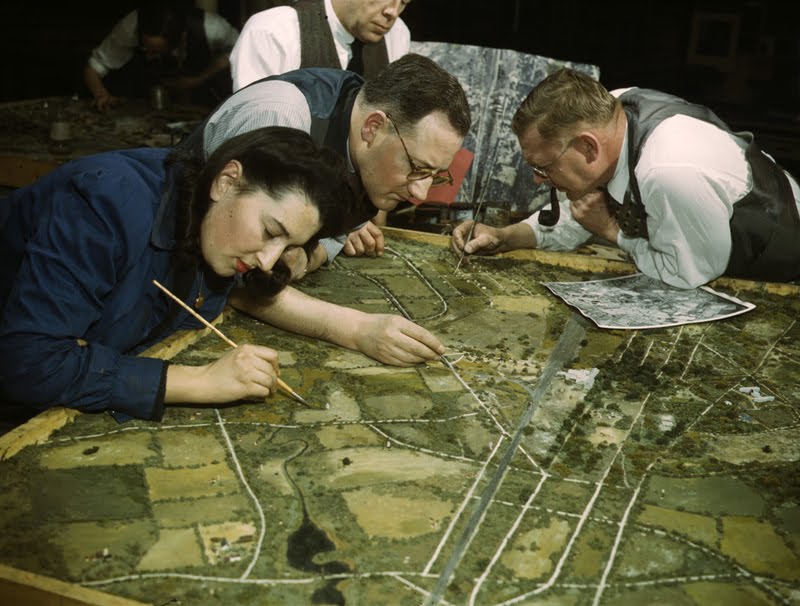
Other discoveries I made include a 1945 Universal Newsreel entitled “Secret Maps Guided US Bombers” which offers up a rare behind-the-scenes look at the construction of massive 80 foot 3D map used in planning late war air raids on Japan. And the undated color photo at left shows what purports to be a group of students learning techniques in creating a terrain map for military use during or immediately following WWII.

The articles, sites and photos I’ve uncovered give a cursory overview of military terrain making and their role in WWII. There are some lost gems I’d like to dig into more, including tracking down an actual copy of the 1956 US Army training manual Terrain Models and Relief Map Making (TM 5-249) which is referred to in a number of online bibliographies. But for now, I’ll carry all this history with me as I lay out my next wargaming battlefield in the context of all the historic importance many of the same skills and techniques have played in the wars of the past.

Favorite Kickstarters of the Month (July 2013)

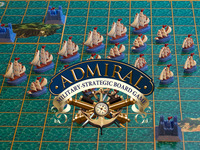
Kickstarter can be a weird, volatile environment. Some projects come and go with little fanfare while others soar into the stratosphere with backer support. There can be all manner of highs, lows and outright trouble for projects on their journey from idea to funding to delivery. That said, four of the projects I wrote about in June wound up successfully funded in the past month. The fifth, the seafaring game Admiral, was funded but the project was then suspended inexplicably with a day to go. No doubt there’s a story there, but for now, here are the projects I’ll be watching as we hit the first hot month of the summer in July.

Cthulhu Wars: Drawing on the Cthulhu Mythos of H.P. Lovecraft, this game is the big story in games on Kickstarter right now. With dozens of gorgeously grotesque miniatures and many planned expansions, this strategy board game turns the tables and allows the players to play as Lovecraft’s beastly horde seeking to control the surface of a ruined Earth. Many of the pledgers have bought in at the higher funding levels of $200-500+, no doubt attracted by not only the theme but the tons of extra maps, gaming pieces and figures rewards. The project is trending toward nearly $1 million in funding in its closing days, and the more than 3300 backers are delivering a built-in fan base of this classic horror genre already popular with gamers.

Seas of Iron: I’m not a big naval gaming fan, but I really like the looks of this very modest battleship wargame from Battle Bunker Games. The battleships are comprised of two-sided cards defining the sections of each ship where you deploy your crew and fire volleys at your opponent. When a section is destroyed, cards are flipped over to show that part of your ship aflame. The Kickstarter exclusives include the famed Yamato and Bismarck warships. Just $20 allows for a backer to get a full version of the game which allows enough flexibility for 1-on-1 or small fleet play with combined sets.

Devil Dogs and Dragons: I’ve invested in more than a few of the Anglo-Zulu War 28mm miniatures from Empress Miniatures. They make quality, spirited and detailed miniatures, so its great to see them expanding their Modern Combat line. There’s a lot of interest in gaming modern warfare right now, and the 28mm scale seems to be a clear favorite with small squad-level engagements in the dusty and hot embattled corners of the world. These 28mm figures fill out modern US Marine Corps and Chinese People’s Liberation Army options for deployment in the Asia-Pacific desert and jungle regions. With a bit more imagination, these guys will even find a home in various zombie, alien invasion or post-apocalyptic scenarios.

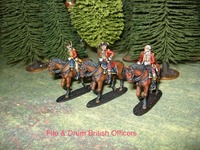
Fife & Drum American Revolution Range: Just in time for the 4th of July weekend, Fife & Drum Miniatures is also expanding their established line of miniatures. Sculpted in a large 30mm or 1/56 scale, these majestic figures offer incredible detail for the Colonial Period ranging from the Seven Years War to the American War of Independence. The Kickstarter campaign will help fund the company’s expansion into new British cavalry, Hessian, Highlander and French infantry offerings. At the $50 level, backers receive a special three-figure “Spirit of ’76” vignette, making this project perfect for any patriot and fan of the AWI period.

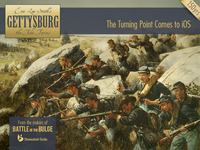
Gettysburg: The Tide Turns: Finally, and in keeping with the theme of American military history, I’m throwing in one video game offering to round out the list. The Battle of Gettysburg is celebrating its 150th anniversary this month, and so this timely iOS game for the iPad and iPhone looks to be a deal at just $10 to back the project. Developed by Shenandoah Studio, the makers of the previously Kickstarted Battle of the Bulge iOS game, this simulation looks to be a very promising 21st-century tribute to the strategy, tactics and heroics found on the famed Pennsylvania battlefield 150 years ago.

Favorite Tabletop Games Kickstarters of the Month (June 2013)

I’ve spent a month tracking my favorite projects and looking for new fun stuff on Kickstarter’s Tabletop Games section. Of the five projects I wrote about in May, four have been succesfully-funded to date. I wound up throwing my support behind one of these, Canterbury, and I’m still hopeful things will turn out well for 54mm plastic Civil War toy soldiers project now in its closing days. Here are the other projects I’ll be watching in June.

Princes of the Dragon Throne: This fantasy-themed board game combines deck-building, area control and resource management. Players build recruits and vie for control of the board on their quest to be crowned upon the Dragon Throne at game’s end. There’s a ton of stuff in this box with over 200 miniatures and more than 500 components overall. The levels of support for the game plus the accompanying specially-crafted meeples comes in over $100, but it’s got dragons so the game looks to be well worth it.

Euphoria: Build A Better Dystopia: This Saint Louis, Missouri-based project launched in May but wraps up this month with a very successful funding run. In this worker placement game, dice represent your workers and cards represent elite recruits. Using your workers and recruits, each player attempts to establish a new empire by managing and selling resources, collecting artifacts, building alliances, and undermining your opposition by digging tunnels and launching devious agendas. Dystopian scenarios are a big fave of mine, and the artwork captured in the design of this game is marvelous.

Amerigo: Another successfully-funded game slated to finish its run in June is Amerigo by Queen Games. Players aid famed explorer Amerigo Vespucci in his quest to discover new lands, establish settlements and collect resources in the islands of South America. The game uses a nifty tower through which players drop and draw colored cubes which determine actions available on their turns. Pledging support at different funding levels scores you a copy of Amerigo as well as one (or more) of Queens Games’s other popular historic-themed games such as Alhambra, Shogun or Lancaster, making backing this project quite a deal.

Admiral: In general, I don’t play naval games since I like the variety that a well-laid-out land terrain tabletop allows. That said, this game could get people like me interested in strategic wargaming on the high seas in the Age of Sail. The Ukrainian designers of this game have loaded the base game with 24 1:1700 scale ships that surpass their toy-like colors in their attention. Backers at higher levels get more islands, ships, seascape gameboard tiles and other game components, making supporting this project a fnatstic opportunity to set sail into a different kind of wargaming.

Giant 2 Inch Soft Foam Polyhedral Dice:  My final fave of the month is just goofy and fun. My two sons, ages 8 and 13, are familiar with real gaming dice at this point. But, if I had a small gamer-in-training in my life, these would be on my funding list. The set includes six large, squishy brightly-colored dice used in most gaming (D4, D6, D8, D10, D12 and D20) in a handy cloth storage bag. Appropriate for ages 3+, there’s a whole bunch of options for buying a la carte dice to supplement the basic set, and additional colors and number styles will be made available. What better way to introduce a kid to the wonders of gaming than throwing a few of these on the floor? Then again, they may just go nicely on my desk at work…