One of the aspects of wargaming I love most is setting up the tabletop battlefield. I first got into scenery building with a large basement HO scale model railroad as a kid in the 1970s and 80s. Through a mix of sculpting hills and roads, modelling trees and creating realistic tableaus of buildings, I spent hours bringing to life a miniature world.
Setting up a tabletop battlefield serves two purposes. Firstly, playability is affected in terms of terrain contours, defensive cover and lines of sight. Secondly, a well-laid and realistic tabletop brings an aesthetic appeal and excitement only to be found in miniature wargaming. While throwing down a big piece of green fabric and some simple trees or lichen shrubbery and maybe some rocks for outcroppings can provide a bare minimum play area, adding a few pieces of additional model detail really makes a game come to life.
Check out some of my WWII and American Civil War set-ups in the Gaming & Painting section above, and have a quick read on some easy resources below to get your own tabletop ready for battle.
Battlefield Basics
For my groundcover, I use a $10 green fleece throw I picked up in a discount store. I like that I can fold it or open it up to create different sized gaming spaces. You can also use felt or any other cloth easily picked up at a local fabric store. For roads, I use a rubber textured road system I bought at a gaming convention. On the cheap, you can cut felt or other material into strips to create roads of varying lengths and widths. Streams and rivers can also be cut from blue felt. For basic shrubs, a bag or two of lichen from a hobby shop in varying shades of greens and browns provides flexibility in creating hedgerows and other bunches of ground cover. Spreading some gravel or larger stones around the battlefield can also provide some texture and look to the table.
Trees
 While a lot of gamers prefer making trees from scratch using twigs and lichen, I like tree systems like those offered by Woodland Scenics. Whether you choose to build your own or buy pre-made trees, you can easily find what you need via websites or stores that cater to model railroading hobbyists. Keep scale in mind that shorter HO-scale trees suffice for 15mm scenarios and taller O-scale trees will stand in nicely for forests and treelines in 28mm games.
Buildings
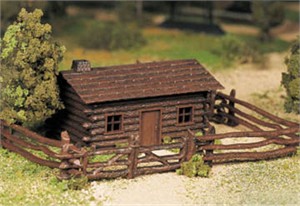
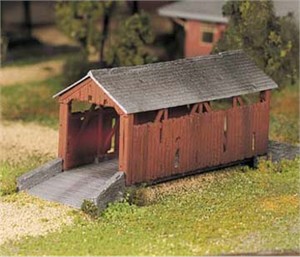 There are tons of options for wargaming buildings. Many experienced gamers make their buildings from scratch using foamcore, balsa wood and other kit-building materials found at any decent hobby shop. Another cheap option is downloadable paper cut-out buildings, many examples of which can be found online for free or in easy and immediate pay/download format.
A number of companies specialize in model buildings in lots of scales, eras and geographic locations. Some relatively inexpensive buildings come cast in solid resin and unpainted, while others come completely assembled and detailed with removable floors and roofs. More recently, laser-cut wood buildings are becoming a popular option.
I like using plastic kits from model railroad suppliers, particularly O-scale buildings when I’m gaming the American Civil War in 28mm. These kits are pretty inexpensive ($10-30), easy to find online or in stores, simple to glue together and lightweight. The often simple detailing is easily enhanced with some simple painting and weathering removing the plastic gloss. Companies such as Bachmann (log cabin and covered bridge pictured), Atlas and Lionel all make model railroad buildings which can easily stand on an 18th or 19th-century American battlefield. I love my big Lionel K-Line O-scale American church I picked up for $9 on sale, and it always takes center stage in my American Civil War set-ups.
Boxed Terrain Systems
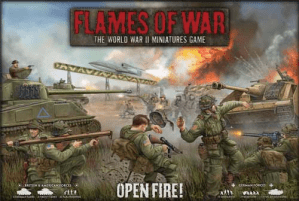
 While pricey, several companies offer full lines of pre-packaged terrain systems made specifically for gaming. Flames of War offers a big line of 15mm WWII terrain through their Battlefield In A Box sets with roads, rivers, buildings and battlefield accessories to fit different regions of the war. Games Workshop also offers a number of products specific to their games from Citadel but much of it could be used for other gaming in Medieval and fantasy gaming environments in 28mm. For gamers with particularly deep pockets, Games Worshop all carries highly-detailed modular gaming boards for nearly $300 each.


 Brooklyn Wargaming